How to manage waste disposal when renting a campervan
By Vroom Team • Reviewed 22 Jul 2026
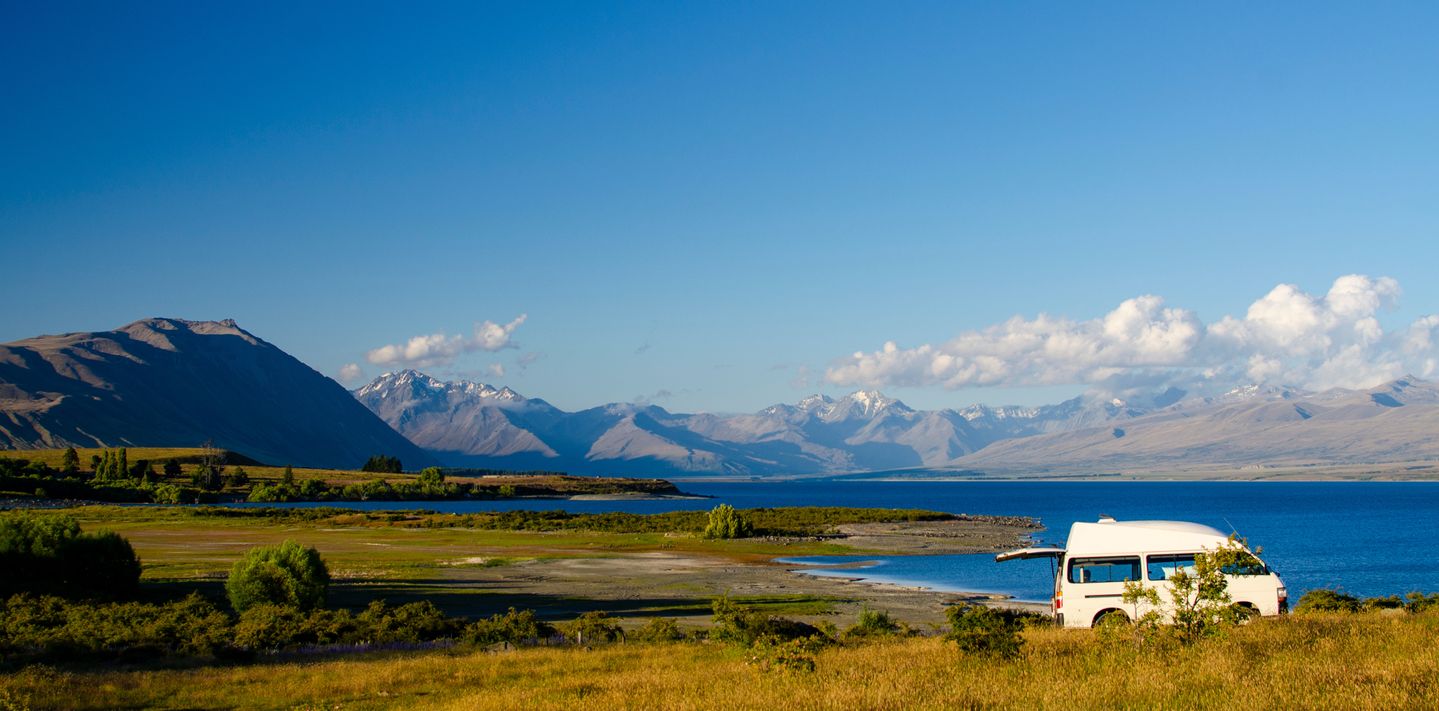
Hiring a campervan in New Zealand gives you a tremendous degree of freedom to explore, but with that freedom comes the responsibility to manage your waste properly. This means more than just keeping the van tidy, rather you need to know where to empty your grey water and toilet waste, how rubbish and recycling works on the road, and what extra rules apply if you plan to freedom camp.
This matters even more for first-time campervan renters from overseas. In New Zealand, you can’t assume that every campsite has a dump station, nor that parking overnight is allowed just because other campervans are already parked there. Council bylaws vary by district, the Department of Conservation (DOC) has its own rules on conservation land, and some areas only allow overnight stays for certified self-contained vehicles.
Most importantly, when it comes to how to choose a self-contained campervan, from 7 June 2026, the DOC has mandated that all vehicles staying in areas restricted to self-contained vehicles must have the new “green warrant”, meaning a portable toilet no longer qualifies a vehicle as self-contained.
Where do I take campervan waste in New Zealand?
In New Zealand, all grey water and toilet waste must be disposed of at a designated dump station. Do not empty either tank into a public toilet, roadside drain, stormwater grate, car park, bush, or riverbank. Many councils now publish campervan guidance with regard to dump stations — for example, Selwyn in Canterbury lists dump stations for both black water and grey water, as does Nelson — and as a responsible campervan renter, you’re expected to source similar information from other councils according to your planned road trip. If you’re hoping to rent a campervan in Nelson, be sure to refer to the above resource while planning your trip.
One of the biggest mistakes first-time renters make is assuming dump stations are available everywhere, but this is incorrect. While holiday parks often have them, these are typically only available to paying customers, and although some councils do provide free public dump stations, fewer campsites have dump stations for toilet waste. In many cases, you’ll need to empty tanks in a nearby town before or after staying at a campsite.
One of the ways to make a good road trip a great one is through plenty of planning, and this planning extends to managing your waste. Adopt a habit of planning out your dump stations before you need them. When you collect your campervan, ask the branch staff where they expect you to empty wastewater on the route you are taking, especially if you’re heading into national parks or smaller towns.
What are grey water and black water?
Grey water is wastewater from your sink and — if your campervan has one — your shower. Black water is toilet waste. Both are stored in holding tanks, and both must be disposed of properly. In New Zealand, councils make it clear that approved dump stations are the correct place for both.
For first-time campervan renters, it’s worth asking the branch to show you exactly how your campervan’s waste system works before you leave. Ask them to point out the grey water outlet, the toilet holding tank, the tank gauges, and any gloves, chemicals, or rinse hose you’re expected to use. A five-minute walkthrough before driving away makes for a far easier experience when it comes time to empty the tanks, and is certainly preferable to Googling “campervan waste disposal New Zealand” in a car park after dark while your travel companions lament the bathroom situation.
What about rubbish and recycling?
Waste management in a campervan isn’t only about the toilet and sink, as solid rubbish is just as important—if somewhat easier to manage, Food packaging, takeaway containers, bottles, cans, and food scraps, build up quickly in a campervan. Councils require travellers to collect rubbish and recycling and take it to approved facilities such as transfer stations, dump stations where appropriate, or bins provided for campers. Burning, burying, or leaving rubbish behind is absolutely not acceptable behaviour.
For any rubbish that could be recycled, clear bin labels what rubbish goes in which bins, and as these may look different to what you are used to at home, here are some examples of bin labelling (PDF) — and what items are acceptable for each type of bin.
What about freedom camping in New Zealand?
In New Zealand, it’s best to start by explaining what “freedom camping” isn’t rather than what it is — freedom camping doesn’t mean you can stop anywhere overnight, and there are certain areas where freedom camping is specifically prohibited. Instead freedom camping is defined as “camping in a location that is not a designated campground, and is within 200m of an area accessible by motor vehicle, within 200m of the mean low water spring line of any sea or harbour, and on or within 200m of formed road or a Great Walks Track”.
In New Zealand, each district and council has its own rules with regard to freedom camping, and local restrictions may restrict the practice near town centres, only allow it for self-contained vehicles, or have strict limitations on how long one can freedom camp in a location without moving on. Those council rules can be different from the rules on DOC land, so you’ll need to check both any signage at the site alongwith local rules for the district you are in — a full list of New Zealand council websites can be found here.
From 7 June 2026 onwards, it is essential that you make sure your rental campervan has self-containment certification and a green warrant card. Rental companies are responsible for ensuring their fleets are compliant, but travellers should still check that the correct documentation is stored within their rental campervan.
New Zealand requires travellers to follow these rules around both waste management and freedom camping, and the fines for not following the regulations (PDF) can be substantial. For example, vehicles used for freedom camping without the correct certification can attract fines ranging from NZ$400 to $1,200, while fines for the incorrect disposal of waste are double this — from $800 to $2,400.
Practical tips for first-time international renters
Managing your waste in a responsible manner while renting a campervan or motorhome in New Zealand really isn’t all that complicated, and by following a few simple steps you can make your waste management even easier:
Keep a small waste kit in the campervan with gloves, hand sanitiser, paper towels, bin liners, and a basic spray cleaner.
Separate your rubbish and recycling as you go rather than trying to sort everything out at the end.
Empty your wastewater tank before heading into remote areas — not after you arrive.
Where practical, use public toilets, or toilets at restaurants and shopping malls, as this will reduce pressure on your onboard waste system.
Leave every stop cleaner than you found it — don’t be shy about collecting rubbish left by others, but if you do, be sure to dispose of any rubbish you collect responsibly.
Never wash yourself, dishes, or your clothes in the sea, lakes, rivers, or any other natural body of river.
Do I need to clean the campervan before returning it?
Yes. At a minimum, you are required to return the campervan with the wastewater tanks empty, any personal rubbish removed, and the inside of the vehicle in a reasonable condition. Wipe down all surfaces, remove any food scraps, and do not leave spills, strong odours, or a full bin for the branch staff to deal with.
A clean trip is a great trip
Managing campervan waste in New Zealand is not difficult, but it does require a bit more planning than first-time visitors might expect. Know where your next dump station is, keep on top of rubbish and recycling, and check the freedom-camping rules for every district you stop in. Follow these simple steps and your trip will be cleaner, simpler, and much less likely to end with a fine or a cleaning charge — and New Zealand will thank you for making the effort.
About the author

Vroom Team
VroomVroomVroom’s writing team brings together decades of writing expertise to share their insights into travelling around New Zealand by rental car. Let our team help you get the most out of your rental car experience.