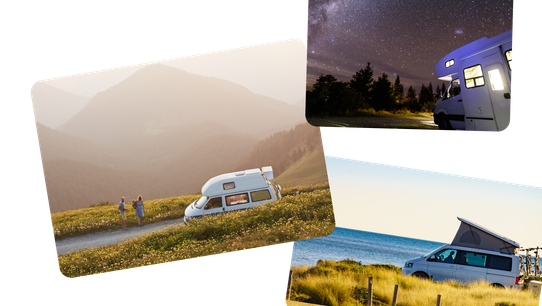
How to choose the right campervan for you
By Vroom Team • Reviewed 22 Jul 2026
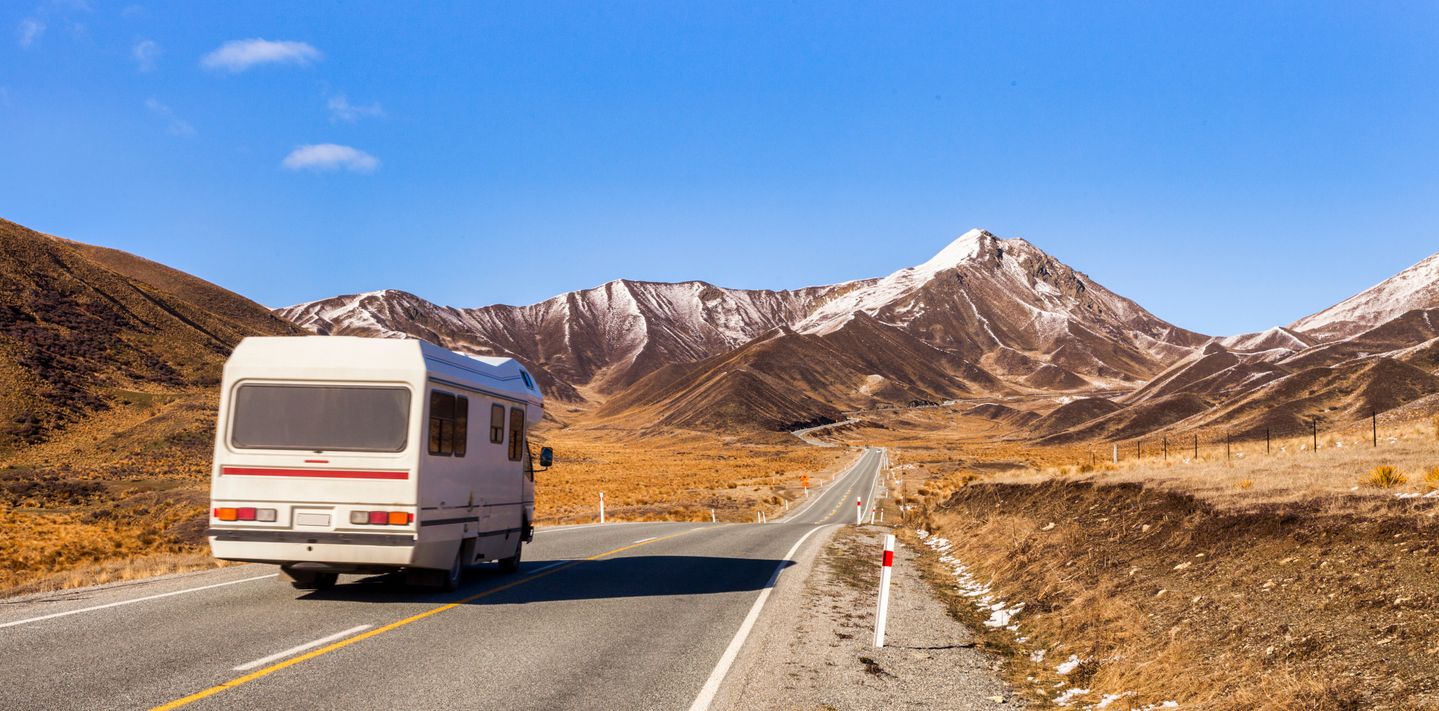
New Zealand is perfect for a campervan road trip holiday whether you want to explore the North Island’s coastal regions and geothermal wonders, or the dramatic lake sceneries and snow-capped mountains of the South Island. Picking the right route for you though, is only half the equation, as selecting the right campervan is just as important as it can affect how smooth your journey will be. With this in mind, VroomVroomVroom has compiled a comprehensive guide on things to consider before hiring a campervan.
What’s the difference between a campervan and a motorhome?
When it comes to campervans and motorhomes, in broad terms they’re the same thing: a recreational vehicle designed for people to sleep in. Motorhomes are typically a bit larger than campervans, but there’s some other differences to be aware of, and much like how having the right tool makes a job easier, having the right type of vehicle goes a long way towards making a trip better.
What’s a campervan?
A campervan is similar to a regular van but often larger and converted to include beds, often formed by folding down the seats. Some campervans have a small kitchen and dining area, but toilets and showers are less common. Its compact size makes it manageable to drive and park. Campervans most commonly accommodate two to four passengers with larger ones sleeping up to six. If you need more living space for your roadtrip, consider renting a motorhome.
What’s a motorhome?
A motorhome is often mounted on a truck chassis, is typically larger than a campervan, has custom living quarters, and a fuller range of amenities. Motorhomes often have multiple sleeping compartments, a larger kitchen and sink, and a toilet and shower. Thanks to their greater size and broader range of amenities, motorhomes are a popular choice for those looking for a fully independent experience as there’s no need for campsites and holiday parks.
How are campervans and motorhomes different?
In general, campervans are smaller than motorhomes with less space and amenities. They’re perfect for couples or small groups especially those travelling on a budget and are a good option if you don’t mind using campsite amenities like a toilet and shower. A motorhome, on the other hand, offers a larger range of facilities and amenities, perfect if you want to be self-reliant on your New Zealand journey. Motorhomes are great for larger groups of friends or families looking for a comfortable time on the road.
How to choose a campervan for your trip
When it comes to selecting the right campervan for you, there are five main areas worth considering. First comes the vehicle class — A, B, or C — each of which dictates the overall size and construction of the vehicle. Then there’s berths — the number of people the vehicle sleeps — followed by if you need a kitchen or not, a bathroom and shower, and if you want a pet-friendly campervan. The final consideration is your planned route — not only where you are going, but when.
Know the different campervan categories
There are three different categories of campervans in New Zealand:
Class A: This comes with a full custom motorhome body, including the driver cab, mounted on a commercial truck or bus chassis. Class A motorhomes are easily the largest style of campervan, and are often quite luxurious with a full range of amenities, and spacious interiors.
Class B: Known as a smaller motorhome or a campervan, Class B is often a retro-fitted van with either a low-top or a customised high-top roof. Class B comes with varied basic amenities and is the smallest class of campervan.
Class C: The Class C motorhome can be easily distinguished as a campervan with the living space built and mounted behind a truck cabin. This mid-sized campervan usually has a bed or storage area over the cab and typically may come with a wider selection of amenities.
Before committing to choosing a campervan class for your trip, make sure to check the licence requirements that comes with renting the vehicle first.
Consider the number of people travelling
On the VroomVroomVroom website, campervans are categorised by berths, or the number of people the campervan can sleep. Berths come in different types including but not limited to:
Bunk beds: A favourite with children, in order to maximise living space within the campervan, bunk beds are stacked on top of each other. These are typically wall-mounted and fold back against the campervan wall when not in use.
Cabin beds: Larger campervans often have a sleeping area above the driver’s cab. These can take a number of different forms, but are often referred to as cabin beds.
Drop-down beds: Some campervans take innovative ways to maximise space, and one of these is to have beds stored against the campervan roof when not in use. When it’s time to sleep, the bed is released from its storage position and lowered down into the living area.
Fixed beds: The closest you’re likely to come to a traditional bed in a campervan is a fixed bed. These are commonly towards the rear of the vehicle and sit atop a fixed platform, you’ll encounter them most often in smaller campervans, particularly those that are very similar to a normal van. The advantage of this style of bed in a campervan is that they’re often more comfortable, but on the downside they occupy space that could otherwise be used for seating.
Pop-top roof tents: A common feature with popular hi-top campervan models, roof tents are exactly what they sound like — a tent placed atop a platform on the roof of the vehicle. These come with the advantage of increased privacy, but are more exposed to the weather than any sleeping compartments within the campervan.
Rock ’n roll beds: Despite their name, rock ’n roll beds are not designed for musicians, but rather are formed by reclining either passenger seats or other seating in the campervan to form the bed.
It’s not unusual for campervans and motorhomes to sleep fewer passengers than they seat. This is because seats are often folded together or combined in some fashion to form a bed and is why it is important to always check not only how many passengers a vehicle seats but also how many it sleeps. A campervan is perfect for two people and can also work for three to four, while motorhomes generally have more seating and sleeping capacity, they’re ideal for larger groups or families looking to take a self-reliant trip on the scenic New Zealand roads.
Need a kitchen or not?
In general, campervans come with a kitchen sink in varying sizes, and depending on your selection, it may also include a gas stove, fridge, microwave, or oven. The larger the van, the more likely it is there will be a better range of kitchen features, but it’s important to note that more kitchen appliances will naturally increase the rental cost. You can search by kitchen specifications to find vehicles that are a good fit for the holiday you have in mind.
Decide if your campervan will need bathroom facilities
Take note that while many campervans don’t offer a toilet or shower, some do. Some may have a toilet and a shower, while others have only a toilet, but in all cases, expect any toilet and/or shower to be a very compact affair. If you’re planning on camping independently, a toilet is a helpful feature, but if you plan to stay at holiday parks or campgrounds, it’s probably not essential. Also keep in mind that having a bathroom in either a campervan or a motorhome comes with the responsibility of proper waste management. You’ll find dumping stations at most campgrounds and some petrol stations across New Zealand, but in case there’s none on your route, public dump points should be available along the journey.
Are pets allowed in campervans?
While most campervan providers don’t allow pets on board, some providers will, but with a sometimes substantial fee applied. Check the table below to see a selection of campervan rental providers that allow pets and/or service animals on board.
| Provider | Pet friendly | Service animals only |
| Apollo | ✅ | ✅ |
| Britz | ✅ | ✅ |
| Campervan Village | ❌ | ✅ |
| Cheapa Campa | ✅ | ✅ |
| Hippie | ✅ | ✅ |
| Indie Campers | ✅ | ✅ |
| Jucy | ❌ | ✅ |
| Kiwi Campers | ❌ | ✅ |
| Lucky | ❌ | ✅ |
| Mighty | ✅ | ✅ |
| Spaceships | ✅ | ✅ |
| Star RV | ✅ | ✅ |
| Sunta Campers | ❌ | ✅ |
| Travellers Autobarn | ❌ | ✅ |
Plan your route wisely
Summer is the peak campervan season in New Zealand, so it is a good idea to arrange your campervan rental well in advance. As it gets very cold in winter and roads may be closed due to snow or dangerous conditions, demand for campervans is considerably lower, but it is still worth booking in advance. Be sure to map out your potential routes so you can check the conditions of the road, and if you’re new to driving a campervan, you may want to keep to the main highways and stay away from smaller, trickier roads. If this is your first campervan hire, see our tips for booking your first campervan trip before you lock in your dates. You can get ideas for your holiday from our list of road trips on your preferred season and dates.
What is the best type of vehicle to rent in New Zealand?
It’s a good idea to consider all of the above factors before you choose your campervan. We partner with campervan providers including Apollo, Britz, Jucy Rentals, Maui, and Mad Campers to provide you with a choice of vehicles across the country. While comparing vehicles, also check what campervan excess cover applies — each provider sets their own terms.
Small campervans
Small campervans such as the Jucy Crib or the Apollo HiTop Camper are great for couples or solo travellers. The vehicles are easier to drive and park and may come with basic amenities you will need on the road. If you plan to stay at holiday parks or hotels and still want to spend time exploring the country, you can do so with a small campervan.
Bigger campervans
If you want more space and comfort, a larger campervan like the Apollo Endeavour Camper could be just right. With a variety of amenities and ample space, a campervan like this can fit up to a family of four.
Small motorhomes
Small motorhomes may offer a complete array of amenities for a camping trip at a lower price compared to larger motorhomes. You can expect a small motorhome like Maui’s Cascade Elite to provide the basic necessities to be self-reliant on the road. With a range of three to four berths, small motorhomes are ideal for a group or family looking to camp independently.
Bigger motorhomes
Big motorhomes, such as Mighty’s Big Six or Apollo’s Euro Deluxe, are ideal for longer trips with larger groups or large families. Motorhomes maximise living space, mostly have higher-end kitchen facilities and residential-style appliances, a toilet and shower. Due to their size, they’re typically a little bit harder to drive and park, particularly if you’re not used to the size of RVs. Big motorhomes might not fit in parking lots and urban areas where a small motorhome might.
Once you've chosen your desired vehicle, give our campervan booking tips for beginners a read quick before booking your chosen vehicle on your blocked dates. When you're ready to book, start with campervan hire in Auckland — it's one of New Zealand's most popular departure points.
Important InformationWhat type of campervan should I choose?
This is the first question you need to ask yourself when you are deciding what type of campervan to rent. Motorhomes can usually sleep more people, and offer more space, but they’re more expensive and a bit more unwieldy to drive. Campervans are smaller, closer to a regular car in size, are cheaper (generally) and easier to drive, but they typically lack the space and comfort upsides of a motorhome.
About the author

Vroom Team
VroomVroomVroom’s writing team brings together decades of writing expertise to share their insights into travelling around New Zealand by rental car. Let our team help you get the most out of your rental car experience.