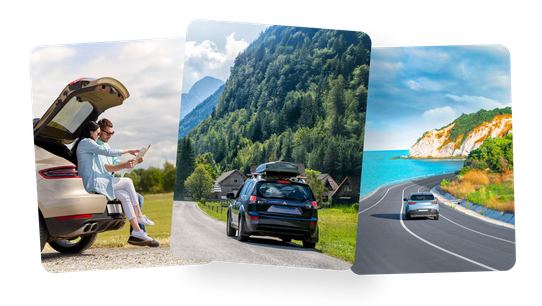
The easiest way to book a car rental in Rotorua
Book today, pay later, free cancellation
Great value rental cars from Rotorua’s most trusted car hire providers


Car rental rates in Rotorua
The North Island town of Rotorua sits on the bank of Lake Rotorua and is renowned for both its geothermal activity and Māori culture. Aside from visiting hot springs, geysers, and mud pools, don’t miss the fascinating Rotorua Museum of Art and History. Rotorua is located about a three hour drive from Auckland / Tāmaki Makaurau and about an hour and a half from Hamilton / Kirikiriroa.
Getting on the road in Rotorua is easy with VroomVroomVroom. By using our easy to use search to find a competitive car hire rate from our selection of well respected car hire provider, you can book your car in as little as a couple of minutes.
YOU’RE IN GOOD COMPANY
Here’s what VroomVroomVroom customers think
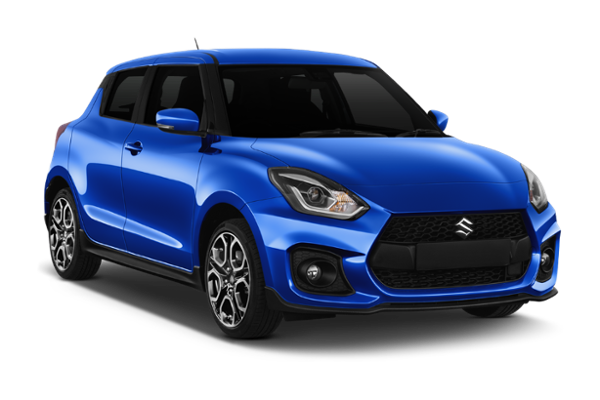
- 23 Apr 2026jamie c.Booked: Suzuki Swift or similarQueenstown Airport
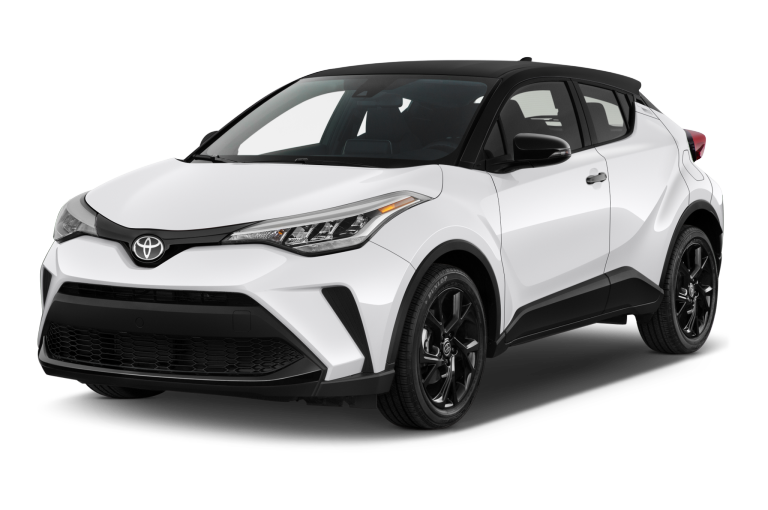
- 02 Jun 2026barry d.Booked: Toyota C-HR or similarWellington International Airport
- 22 Mar 2026micheal h.Booked: Toyota Corolla Hatch or similarNelson Airport

- 28 Apr 2026jamie c.Booked: Toyota Corolla Hybrid or similarWellington Airport

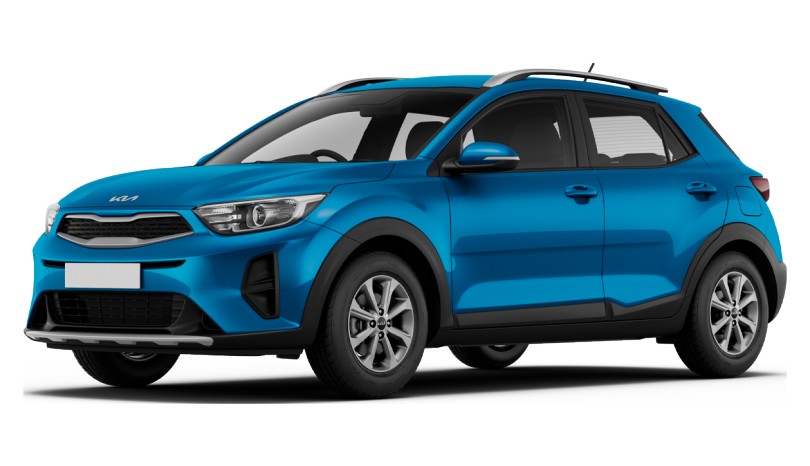
- 02 Jun 2026shane t.Booked: Kia Stonic or similarWellington Airport
- 11 Feb 2026jeffrey g.Booked: Mitsubishi ASX or similarWellington Airport

- 13 Apr 2026nigel p.Booked: Kia Niro Hybrid or similarAuckland Downtown

- 25 Apr 2026esther w.Booked: Mystery Vehicle or similarWellington Airport

We ask users of our booking service to review it after they've completed their reservation. We present a selection of reviews on this page. Our review scores are calculated by averaging the scores of all the reviews that we collect. We don't publish reviews that violate our guidelines. To learn more about guidelines and our reviews generally, visit Terms and Conditions.
Learn more about our reviews.
WE COMPARE CAR HIRE
Unlock Rotorua with car hire made simple
VroomVroomVroom makes comparing car hire quick and easy, getting you great rates from New Zealand’s leading rental providers, including Dollar, Hertz, and Thrifty.

Search, book, drive.
Secure the perfect ride in 2 minutes.

Car rental experts
A friendly customer care team who are here to help

Not just New Zealand
Find a car in 190+ countries, including the Australia, Canada, UK, and USA


Quick facts on hiring a car in Rotorua
| 🔑 No. of depots | Two car rental depots in Rotorua. |
|---|---|
| ✅ Rental brands | Dollar and Hertz. |
Rotorua Airport car hire
Are you flying into Rotorua?
Consider collecting your vehicle from the airport. We work with a range of car hire providers at Rotorua Airport (ROT).

Car rental depots in Rotorua
Find a convenient car hire depot on the map below.

Dollar Rotorua Downtown
View detailsNo reviewsMon–Fri 7:30 AM - 5:00 PM, Sat 8:00 AM - 11:00 AM, Sun Closed1233 Amohau Street, North Island

Hertz Rotorua Downtown
View detailsNo reviewsMon–Fri 7:30 AM - 5:00 PM, Sat–Sun Closed1233 Amohau St, Rotorua, North Island
Frequently asked questions
On hiring a car in Rotorua
Why are there no hire cars in Rotorua at certain times of the year?
Our data shows that Rotorua, along with other isolated cities in Australia, book out of rental cars during peak seasons (i.e., school holidays and major town events) because of the limited amount of rental cars available by providers in the area. We recommend always booking well in advance for this location.
Is it cheaper to book a weekly car rental in Rotorua?
The per-day rates of some rental cars may fall if you book for a longer rental period. Prices often change around daily, three-day, five-day and seven-day periods. Also, note that the selection of rental cars available in Rotorua may be more limited if you are looking for a long-term car rental, so it’s best to compare a few different booking durations first.
Can I pick up my hire car in Rotorua and return it to a different location?
Yes, just untick “Return to the same location” in our search form and select your preferred drop-off location. Be aware that this will incur a one-way fee to your booking, which will be included in the total cost.

Have a question we haven’t answered?